

MEDAZY
Continuous Glucose Monitoring System
See the pattern, not just the number
A fingerstick shows a moment. Medazy shows the story.
See how your glucose moves after meals, during workouts, overnight, and across your day—so you can understand patterns instead of guessing between spot checks.
- ✓ See how your glucose changes, day and night
- ✓ See your glucose trends right on your compatible phone
- ✓ High/low alerts and easy-to-read trend views
- ✓ Share glucose data with people you trust
14-Day Wear
IPX8 Waterproof
Real-time Alerts
Lightweight
Medazy Continuous Glucose Monitoring Sensor
Sensor applicator for easy placement
Access to the compatible mobile app
Product instructions and user documentation
See glucose patterns throughout the day and night
Understand how meals, activity and daily habits affect your glucose
View glucose insights directly on your phone
Share glucose data with people you trust
Wear duration: 14 days
Monitoring: 24/7 continuous glucose tracking
Water protection: IPX8
Data viewing: Compatible mobile app
Records and glucose trend analysis
AVTVA® CONTINUOUS GLUCOSE MONITORING
•
UP TO 14 DAYS PER SENSOR
•
IPX8 WATER RESISTANT
•
REAL-TIME HIGH & LOW ALERTS
•
LIGHTWEIGHT, LOW-PROFILE DESIGN
•
SEE TRENDS, NOT JUST NUMBERS
•
COMPATIBLE PHONE INSIGHTS
•

Medazy CGM
Medazy CGM More insight. Less interruption.
A lightweight, low-profile CGM designed to keep glucose insights close while your day keeps moving.
Quick walkthrough

FDA + ADA
See Why Medazy Is Trusted →
Backed by FDA approval and ADA certification.
Confidence starts with trust. Medazy combines FDA approval and ADA certification with a CGM experience designed for everyday glucose monitoring.
FDA Approved
FDA approved for its intended use, giving shoppers an additional layer of confidence when evaluating the system.
ADA Certified
ADA certified, adding another recognized layer of confidence for people evaluating a diabetes-care device.
Your day has enough interruptions
Diabetes already takes enough from your day.
Diabetes already takes enough from your day.
Checking glucose shouldn't take more.
Breakfast. Work. Driving. Exercise. Dinner. Sleep. Life doesn't stop between glucose checks—and neither do the questions.

You were ready to go.
Then came another check.
7:00 AM
🌅
Wake up
Check glucose.
8:00 AM
🍳
Breakfast
What will this meal do?
12:30 PM
💼
Lunch at work
Stop. Check again.
4:00 PM
🚗
Feeling different?
Should I check again?
6:00 PM
🏃
Exercise
Am I okay to work out?
7:30 PM
🍽️
Dinner
Another meal. Another question.
10:30 PM
🌙
Before bed
One more check before sleep?
Your day shouldn't revolve around checking your glucose.
Medazy is designed to keep glucose insights within reach—
so monitoring can fit into your life, instead of your life
fitting around another check.
Wear it
Apply your sensor and go about your day.
See it
Check glucose trends from your compatible phone.
Understand it
See what happened before, during and after
the moments that matter.
The limits of spot checks
See What Spot Checks Miss →
A fingerstick gives you a number. Then the guessing starts again.
A manual reading tells you what glucose looks like at one point in time. It does not automatically show the hours around that moment—when meals, activity, stress, and sleep may be changing the picture.
One number, limited storyA check can confirm a moment, but not the pattern that led to it.
Gaps remain invisibleThe hours between readings are where much of the uncertainty lives.
More decisions, less contextYou still have to guess whether you are rising, steady, or falling.


After the check
See Beyond the Number →
One Reading Ends. The Questions Don't.
A single glucose reading gives you one moment. The questions around meals, activity, work, and sleep can still remain.
After a meal
“What did that meal do to my glucose?”
Before a workout
“Am I rising, steady, or falling?”
At bedtime
“What happens while I'm asleep?”
What Can AVTVA CGM Show You?
Continuous Glucose Insight, Day & Night
See glucose movement across the day so you can understand trends and patterns between individual moments.
Continuous view
See the glucose story between individual moments.
A number needs context
Same number. Different story.
110 mg/dL can mean something very different depending on whether glucose is rising, steady, or falling. The number matters. Direction adds context.

Do not stop at the number.
Medazy helps you see the current value together with trend information and the timeline around it.
See More Than a Number →
More than a wear-time spec
14 days.
14 days.
One continuous story.
Fourteen-day wear matters because patterns take time to appear. One sensor can help you build a fuller view of how meals, activity, sleep and routines line up with glucose over time.
One sensor. More context with every day.
The value of 14-day wear isn't simply lasting longer—
it's giving patterns time to become easier to recognize.

14-Day Overview
See how daily readings connect into a bigger
picture over time.
Chosen by users worldwide
What is happening

1M+Global CGM users
30+Countries served
30+PCT patents
50+Top scientific literatures
Medazy® Continuous Glucose Monitoring System
Stories & Experiences
Everyday Glucose. Everyday Perspectives.
Personal perspectives on glucose, activity, sleep, stress and continuous monitoring.

Sarah M., 48 · Austin, TX
I felt completely fine, so I had no idea my blood sugar was something I needed to pay attention to. Once I started seeing my glucose patterns, things finally clicked. I could see how different meals, walks, and even sleep affected me. It made me much more aware of the small choices I make every day.

Jennifer M., 52 · Phoenix, AZ
When I first started using a CGM, I was worried it wouldn’t
stay on for the full 14 days. What helped most was keeping
things simple: I cleaned and dried my upper arm carefully,
chose a spot that wouldn’t rub against my clothes, and used
the overlay patch.
I’m still able to shower, exercise, and go about my normal
routine. Once I figured out the right placement and prep,
keeping my CGM secure became much easier.

Rachel T., 44 · Charlotte, NC
I always paid attention to food and exercise, but I never
realized how much stress and poor sleep could affect my
glucose. Once I started watching my trends more closely,
I began noticing patterns on my busiest days and after
nights when I didn’t sleep well.
That made me take stress, sleep, and recovery more seriously—not
just meals. Seeing those connections helped me understand that
glucose is influenced by more than what’s on my plate.

Lisa M., 51 · Seattle, WA
When I first started learning about diabetes, I thought I’d
have to give up so many things I enjoyed. No carbs, fewer
activities, and a long list of things I suddenly couldn’t do.
The more I learned, the more I realized how many of those
fears came from misconceptions. Understanding my glucose,
staying active, and making more thoughtful food choices
helped me feel much more confident—and much less afraid
of everyday life.

David R., 54 · San Diego, CA
When I first started learning about diabetes, all the
numbers felt overwhelming. I knew glucose mattered, but
I didn’t really understand how much it could change
throughout the day.
Paying closer attention to my glucose patterns helped
things finally make more sense. I started noticing how
meals, activity, and my daily routine could affect my
levels. Understanding those patterns made me feel more
informed and better prepared for conversations with my
healthcare provider.

Michael R., 46 · Denver, CO
I used to wonder which workouts were actually helping my
glucose—walking, lifting, or something more intense. Once
I started using a CGM, I could finally see how my body
responded to different types of exercise.
What surprised me most was how much even a simple walk
could change my glucose trend. Seeing those patterns
helped me choose activities I enjoy and stay more
consistent, instead of guessing what was working.
Continuous glucose monitoring, explained
Your glucose is always moving. Now you can see the pattern.
A continuous glucose monitor, or CGM, tracks glucose throughout the day and night—helping you see not only where your glucose is now, but how it has been changing over time.
See glucose patterns throughout your day
See how glucose changes from morning to night, including the hours between traditional spot checks. Continuous data adds context around the individual numbers you see.
Put meals and activity into context
Review glucose trends alongside meals, movement, sleep and everyday routines to better understand how different moments line up with your personal glucose patterns.
Turn data into clearer conversations
Organized trend views and reports can make it easier to review glucose patterns and discuss relevant information with your healthcare team.
A Day in Glucose See how everyday moments can line up with your trend.
24-Hour View Breakfast 8:00 AM
30-Min Walk 1:00 PM
Dinner 7:00 PM
12 AM6 AM12 PM6 PM12 AM
Illustrative glucose trend — not actual patient data.

Designed for everyday life
Wear it. Live your day.
Shower. Move. Work. Sleep. Medazy is designed to stay with you through the routines that make up real life—so monitoring can fit into your day instead of becoming another task.
01 · Everyday wear
Designed to keep up when life gets wet.
From showers to everyday water exposure, Medazy is designed to help you keep monitoring without making your routine revolve around the sensor.
Everyday wear Comfortable design

Designed for real-world routines
02 · Stay active
Secure fit. Move with confidence.
Designed to remain comfortably in place through everyday movement, so glucose monitoring can stay in the background while you keep doing what matters.
Active lifestyle Low-profile wear

Built around movement
03 · Stay informed
Know when your glucose needs your attention.
Supported glucose alerts can help bring meaningful changes to your attention—even when you are not actively looking at the app.
High & low alerts Day & night awareness

Glucose awareness at a glance
04 · Stay connected
Share your glucose story with people you trust.
Where supported, Medazy can make it easier to share glucose values, trends and summary information with trusted family members or caregivers.
Data sharing Trusted connections

Keep trusted people in the loop
Inside Medazy
Small Sensor. Smart Technology.
The technology behind the Medazy CGM experience.
Small sensor. Simple routine.
Easy to use
A simple 3-step application designed to fit easily into your routine.
Always follow the instructions provided in the User Manual for application.
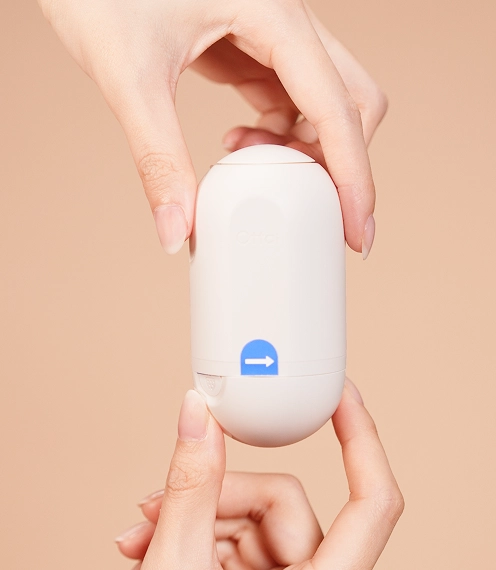
 Twist
Twist 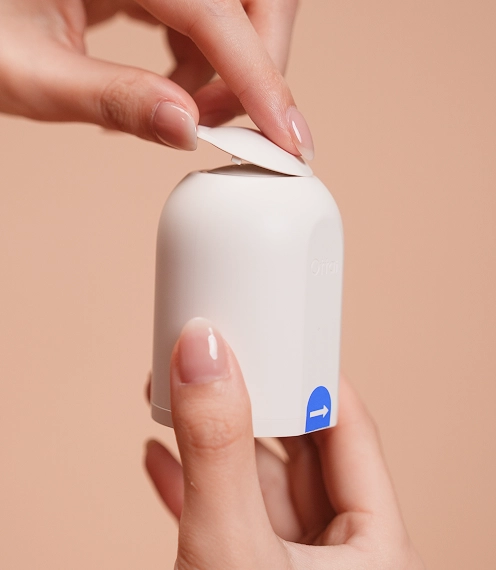
 Take off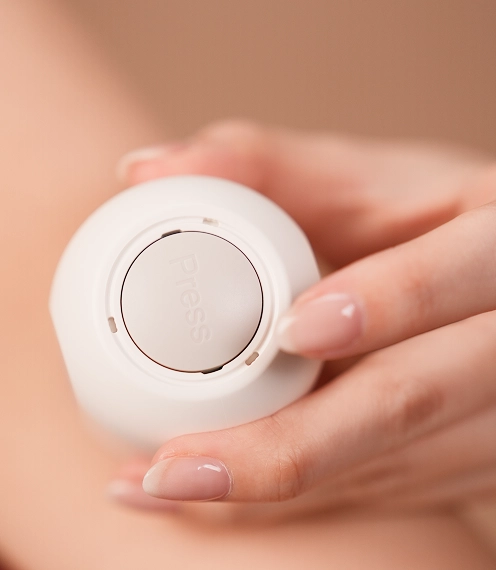
 Apply
Apply IPX8 water resistance
Designed for swimming, rainy days and everyday water exposure.

Lightweight & coin-sized
Small enough for work, workouts, sleep and everyday wear.

24/7 monitoring for 14 days
One sensor provides up to 14 days of continuous monitoring.

Clinically proven result of 8.106% MARD
Clinical performance presented with a standard CGM accuracy metric.

Comprehensive glucose reports
A comprehensive 14-day overview of glucose trends.

Why should you choose Medazy CGM?
Twist Take off Apply Easy to use
A simple 3-step application designed to fit easily into your routine.
IPX8 water resistance
Designed for swimming, rainy days and everyday water exposure.
Lightweight &
coin-sized
Small enough for work, workouts, sleep and everyday wear.
Clinically proven
8.106% MARD
Clinical performance presented with a standard CGM accuracy metric.
24h monitoring
for 14 days
One sensor provides up to 14 days of continuous monitoring.
Comprehensive
glucose reports
A comprehensive 14-day overview of glucose trends.
Why Medazy
Why pay thousands when you can see more for $79.99?
Compare a higher-cost traditional alternative with a simpler way to follow glucose trends, patterns and everyday changes.

Compared alternative
$3,999
Higher-cost option
Medazy CGM
$79.99
Up to 14 days of glucose insights
More cost. More interruption.
Traditional manual testing can mean repeatedly stopping your day to capture another individual glucose reading.
$3,999
compared alternative
Stop to check
Testing requires another manual step whenever you want a new reading.
Testing requires another manual step whenever you want a new reading.
Repeated fingersticks
Another check can mean another finger-prick blood sample.
Another check can mean another finger-prick blood sample.
Individual snapshots
Each result shows what glucose looks like at that specific moment.
Each result shows what glucose looks like at that specific moment.
Gaps between readings
Changes around meals, activity and sleep may happen between checks.
Changes around meals, activity and sleep may happen between checks.
More supplies to manage
Meter, lancets and test strips can add extra items to your routine.
Meter, lancets and test strips can add extra items to your routine.
A reading for the moment.
Then you wait until the next check
to see what changed.
One sensor. A bigger picture.
Medazy is designed to help you follow glucose throughout your day and see more context around the moments that matter.
$79.99
up to 14 days
Wear it and go
Apply your sensor and let glucose monitoring fit more naturally into your routine.
Apply your sensor and let glucose monitoring fit more naturally into your routine.
See trend direction
Know whether glucose is rising, steady or falling.
Know whether glucose is rising, steady or falling.
Follow changes over time
Review glucose around meals, activity, work and sleep.
Review glucose around meals, activity, work and sleep.
See patterns, not just points
Build a more connected view instead of collecting isolated readings.
Build a more connected view instead of collecting isolated readings.
Up to 14 days
One sensor can help reveal patterns across a longer stretch of everyday life.
One sensor can help reveal patterns across a longer stretch of everyday life.
About $5.71 per day.
Based on a $79.99 sensor used
for up to 14 days.
Connected glucose insights
Discover Medazy App
Your glucose story, made easier to understand.

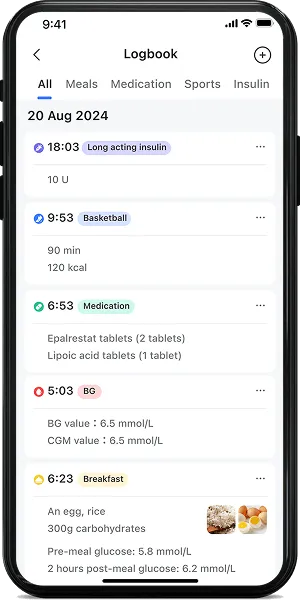


App Download Instructions Please download the app according to the instructions in the User Manual.
Connect & Activate Your Sensor
Follow the quick setup guide after applying your sensor
Watch the detailed walkthrough first, then use the three quick steps below to complete your sensor setup.
Click to watch the detailed tutorial
APP · BLUETOOTH · NFC ACTIVATION
Download the App
Download the compatible app specified in your Medazy User Manual, then open the app and follow the on-screen setup instructions.
Turn On Bluetooth
Enable Bluetooth on your smartphone and keep the phone close to the sensor. Follow the prompts in the app to complete the connection.
Scan & Activate with NFC
When prompted by the app, bring the NFC area of your smartphone close to the sensor and scan it to activate the sensor.
Setup complete.
Once activation is confirmed in the app,
follow the on-screen instructions to begin
using your sensor.
Keep Bluetooth enabled while using the sensor and
always follow the latest Medazy User Manual and
in-app instructions for pairing and activation.
Performance & evidence
Proof Behind the Performance.
Key Medazy performance and certification claims, brought together in one clear view.
Why glucose visibility matters
High glucose can be easy to miss. Earlier visibility adds context.
Over time, persistent high glucose is associated with health complications. Seeing patterns earlier can give you more context for informed conversations with your healthcare team.
 Eyes Heart Kidneys Nerves Feet
 medazy-risk-nerves.webp

01
Nerve damage Numbness can make injuries easier to miss.
Diabetes-related nerve damage can cause tingling, pain, weakness, or loss of sensation. In the feet, reduced feeling can mean cuts or blisters are not noticed right away.
medazy-risk-foot.webp

02
Foot ulcers and infection A small wound can become a serious problem.
Nerve damage can make injuries harder to notice, while poor circulation can make sores and infections harder to heal. Severe ulcers and infections can ultimately threaten the affected limb.
medazy-risk-eyes.webp

03
Eye health High glucose can threaten vision over time.
Diabetes can damage blood vessels in the eyes and contribute to diabetes-related eye disease, reduced vision, and blindness.
medazy-risk-kidneys.webp

04
Kidney damage Kidney disease can develop without obvious early signs.
Diabetes can damage the kidneys over time. Early kidney disease may not produce obvious symptoms, which is why appropriate screening and medical care remain important.
medazy-risk-heart.webp

05
Heart and blood vessels Cardiovascular risk matters too.
Diabetes can damage blood vessels and is associated with increased risk of cardiovascular disease and stroke.
medazy-risk-skin.webp

06
Skin complications Diabetes can affect the skin too.
Diabetes is associated with skin problems including dryness, cracking, infections, and other diabetes-related skin conditions.
Better visibility can support more informed next steps. Understanding glucose patterns can provide additional information for diabetes management and more informed conversations with your healthcare team.
FAQ
Frequently asked questions
Quick answers to common questions about using, wearing and getting started with Medazy CGM.
1. How long can I wear each Medazy sensor?
Each Medazy sensor is designed for a 14-day wearing session. The sensor is intended for single use and should not be reused after removal.
After removing the sensor, dispose of it according to applicable local requirements for electronic components, batteries, sharps and materials that may have been exposed to interstitial fluid.
2. Can I apply and wear the sensor myself?
Medazy CGM is designed to make sensor application straightforward. Users can apply and wear the sensor independently by following the instructions provided with the system and in the compatible app.
If you have difficulty applying or operating the system, a family member or another person may assist you.
3. Where should I apply the sensor?
For the best experience, the sensor is designed to be applied to the rear of the upper arm. Always follow the approved application-site instructions in the Medazy User Manual.
Avoid applying the sensor to the abdomen, thigh, buttocks, back, or locations where frequent movement or daily activity could increase the chance of the sensor becoming loose.
Before application, choose clean, smooth skin and avoid body lotion or cream on the area. Avoid birthmarks, stretch marks, scars or lumps.
If you use insulin injections, select a sensor site at least one inch away from your usual injection location.
4. Does it hurt to insert or wear?
The sensor is minimally invasive. Most people describe application as a quick pinch or brief pressure, and many report little or no discomfort while wearing it.
A small number of users may experience slight temporary discomfort, which may decrease after application.
If pain, irritation or discomfort persists or becomes worse, remove the sensor and follow the guidance in the Medazy User Manual or seek appropriate advice if needed.
5. How do I activate and initialize the sensor?
Follow the on-screen instructions in the compatible Medazy app after applying the sensor. The app will guide you through sensor activation.
After activation, the sensor enters an initialization period of approximately 30 minutes. Once initialization is complete, the app will notify you and the latest glucose reading can be viewed in the app.
6. What does the sensor patch do?
The patch provides an additional adhesive layer that can help keep the sensor securely attached throughout the 14-day wearing period.
Apply the patch after sensor application according to the product instructions. Correct application can help reduce the risk of the sensor becoming detached from the skin.
Improper use or incorrect application of the patch may affect sensor adhesion and may also affect applicable warranty coverage.
7. Can I shower or swim with it?
Yes. Medazy is designed with IPX8 water resistance for everyday water exposure.
Follow the Medazy User Manual for the applicable water-exposure limits and recommended sensor-care instructions.
8. Will Medazy work with my smartphone?
Medazy works with compatible smartphones using the supported Medazy app.
Please check current smartphone and operating-system compatibility before purchasing or activating your sensor.
9. Do I need to scan the sensor?
Use the compatible Medazy app to view glucose readings, trends and available alerts throughout the sensor-wear period.
During setup and use, follow the current in-app instructions and Medazy User Manual for sensor activation and any required interaction with the sensor.
10. How accurate is Medazy CGM?
Medazy reports a 8.106% MARD. MARD is a commonly used metric for evaluating the accuracy of continuous glucose monitoring systems.
11. Do I still need fingerstick tests?
Follow the instructions in the Medazy User Manual for situations where a blood glucose check may be appropriate.
If how you feel does not match the CGM reading, confirm your glucose using an appropriate blood glucose method before making decisions based on the reading.
12. How do I remove the sensor?
At the end of the 14-day wearing period, gently lift an edge of the adhesive and slowly peel the sensor away from your skin.
Do not reuse a removed sensor. Dispose of it according to the applicable product instructions and local requirements.
13. What’s included in the box?
Your Medazy package includes the applicable sensor, applicator and product instructions.
Contents may vary depending on the package or quantity purchased, so check the product page for the exact pack configuration.
Medazy® CGMSee the pattern, not just the number.
Shop Medazy →CGM user feedback
Real-World CGM Feedback
4.9
Based on 52 ratings